
DISABILITY GRANTS is a SELF HELP Resource
SEARCH the website to find ANSWERS to your QUESTIONS Click Here! FAQ >
If you make a purchase via a link on this site, Disability Grants may receive a small commission on the transaction - at no added cost to you. Thank you!
Check to see if you can get legal aid to pay for legal advice, mediation or representation in court by using the Legal Aid Checker.
If you don't qualify for Legal Aid or you can't afford legal representation the Bar Council have produced a guide "Representing yourself in court" to help individuals on their legal journey.
The guide is free to download. Hard copies can be found at your local Citizens Advice, your MP's surgery and law centres.
"Looking After Someone" is produced by Carers UK is free to download from their website.
It informs you about your rights as a carer and where you can go for financial and practical help.
It is updated each year and there are different versions for England, Wales, Scotland and Northern Ireland.
The Coram Children’s Legal Centre is a National charity that specialises in law and policy affecting children and young people.
It offers advice on all areas of family, child and education law.
Coram also provides access to free factsheets, a virtual assistant for on-line support and free legal helpline.
The instant messaging facility is available from 9am to 6pm, Monday to Friday.
The Legal Helpline: 08088 020 008 is open 8am to 8pm, Monday to Friday. A voicemail facility is available outside these hours.
The Disability Law Service is a charitable organisation that provides free legal advice to the disabled and their families.
The service has a telephone advice line: 0207 791 9800 But due to the high volume of calls they operate a triage system to prioritise calls. They will however respond to written queries.
There are a large number of factsheets free to download covering community care, education, employment, welfare, discrimination and human rights. They are available in a variety of formats including large print and audio.
Disabled Children - A Legal Handbook
A definitive guide to the rights of disabled children has been completely updated for 2020 to include all the recent changes to the laws affecting disabled children.
Co-authored by Steve Broach and Professor Luke Clements.
Essential reading for anyone working with disabled children and their families.
Disabled Children Parents' Guide: Social Care
Cerebra have produced a guides for parents of disabled children (under 18 years) on how to get help for their child’s social care, housing and health needs.
It provides information on the responsibilities and the duty of care of the local authorities to provide social care for disabled children, as well as support for the parents/carers of those children.
For young people going through transition to adult services this document Transition to Adulthood - a Guide for Parents may be helpful.
The Equality Act 2010 protects the disabled from discrimination and offers legal help in certain areas including employment, education and access.
It also provides the same protection for carers or parents of people of the disabled.
The Act says a person is considered disabled if they have a physical or mental impairment that a 'substantial and long-term effect on their ability to perform day to day activities'.
'Substantial' is defined as 'more than minor or trivial' and 'long-term' as being likely to last for at least twelve months. Eating, washing, walking and shopping are among the many things considered as 'day to day activities'.
The Equality Act replaced the Disability Discrimination Act (DDA) of 2005. However, the Disability Equality Duty in the DDA still applies alongside the Equality Act 2010. This requires Government and Public bodies to have 'due regard' to the needs of the disabled when making decisions on policies and services.
The Acts can be used to ensure that disabled people are given the same rights as everyone else. Employers, shops and other establishments are expected to comply with all the points defined in the Acts.
Human Rights
The British Institute of Human Rights (BIHR) have a number of useful booklets and factsheets including:
All are FREE to download.
Each Other provides clear information on why Human Rights matter and how they can change people's lives.
It's a great place to learn about Human Rights as it is presented in an interesting easy to understand way through the use of infographics and human rights stories.
Find out what the Human Rights do for Disability
The Home Farm Trust (HFT) have created a PDF Guide to the Mental Capacity Act.
"Using the Mental Capacity Act - A guide for families and friends of people with Learning Difficulties" can be downloaded from their website.
The guide is supported with videos and gives links to further information from other organisations.
A hardback copy of the guide can be purchased by sending an A4 stamped addressed envelope (with £1.65 - 1st class or £1.48 - second class) to Hft, Family Carer Support Service, 6 Brook Office Park, Folly Brook Road, Emersons Green, Bristol, BS16 7FL
My Rights Your Responsibilities
The Council for Disabled Children have produced a information leaflets for parents of disabled children "My Rights Your Responsibilities".
It includes information on children's right of access to activities, community facilities and other services.
Leaflets are free to download and include information on the Disability Discrimination Act (DDA).
www.councilfordisabledchildren.org.uk
UN Convention on the Rights of Persons with Disabilities (UNCRPD)
The UNCRPD is an international human rights agreement that recognises that disabled people have the same rights as everyone else to freedom, respect, equality and dignity.
It is important as it allows disabled people the right to petition the committee if they have exhausted the UK and European court.
The Equality and Human Rights Commission have produced a Guide to the Convention. An Easy Read version is also available.
If you make a purchase via a link on this site, Disability Grants may receive a small commission on the transaction.
At no added cost to you.
Thank you!
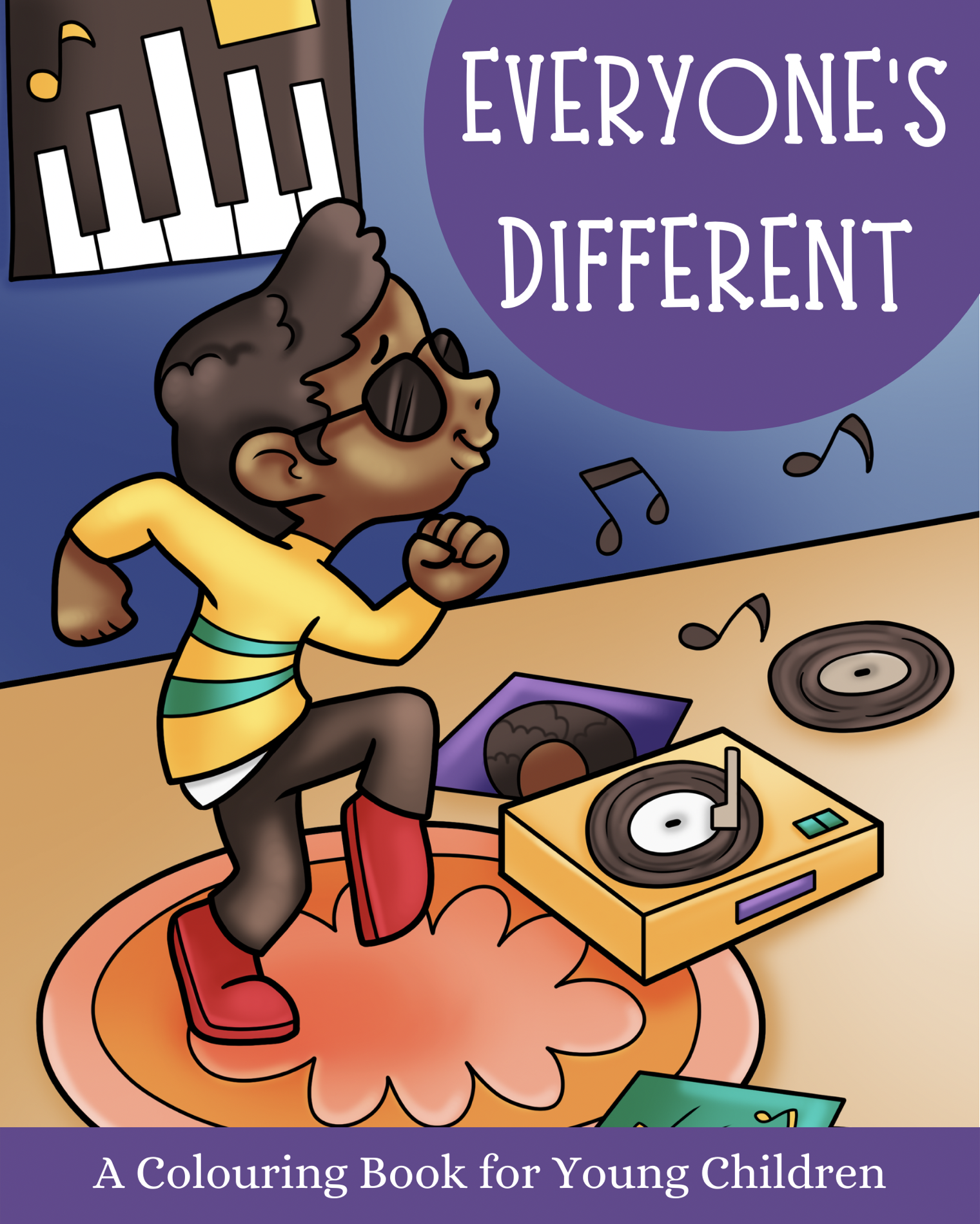
Find out more about our colouring book with positive images of children with additional needs.
Please help us keep Disability Grants up-to-date by notifying us of any changes or errors.

FREE website up-dates for UK Residents.
Your E-mail address is totally secure
We will only send you Disability Grants News
Check out our
Disclaimer:
As an Amazon Associate Disability Grants earns from qualifying purchases.
Every purchase helps maintain Disability Grants as a free resource
Thank you for supporting
Disability Grants
Advertise with Disability Grants
Please help us keep Disability Grants up-to-date by notifying us of any changes or errors.


